Take a photo of a barcode or cover
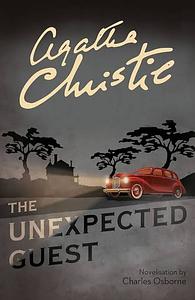
3.79 AVERAGE
3.79 AVERAGE

I guessed the ending and it made the whole experience underwhelming. Y do people try so hard to know what’s going on.

adventurous
mysterious
tense
fast-paced
Plot or Character Driven:
Plot
Strong character development:
Yes
Loveable characters:
Complicated
Diverse cast of characters:
Yes
Flaws of characters a main focus:
Yes
mysterious
fast-paced
Plot or Character Driven:
Plot
Strong character development:
Complicated
Loveable characters:
Complicated
Diverse cast of characters:
No
Flaws of characters a main focus:
Yes

mysterious
tense
Mais J’ADORE les enquêtes au théâtre ! Ça rend hyper bien !

dark
emotional
mysterious
tense
fast-paced
Plot or Character Driven:
Plot
Strong character development:
No
Loveable characters:
No
Diverse cast of characters:
No
Flaws of characters a main focus:
Yes
While this was very enjoyable and very intriguing - I still guessed both plot twists? It’s a bit predictable if you’ve read any of Agatha Christie’s other works or are familiar with basic mystery story tropes. I didn’t guess the details but I also wasn’t shocked by any revelations. Still very enjoyable, also very easy to consume - I listened to it as an audiobook and it was very obvious that it was a novelization of a play. I’d love to see it performed, it would be quite fun.
Strong strong trigger warning for ableism. Agatha Christie’s treatment of disabled characters (while probably standard or even generous in her day) is really rather appalling. The ableism is baked into the plot for this one and the only reason it’s enjoyable despite that is because of how long ago it was written. Any book written in the modern era with this themes should not be published. I’m unsure how this could be re-written to avoid the ableism really so I would strongly caution against this being given to younger readers and being only read by those who can appreciate a certain level of nuance. The most obvious demonstrations of the ableism include uses of words that are now considered slurs but were (at the time) probably euphamisms (including the r-word); however it goes much deeper than that. It’s in the portrayal and treatment of the story’s disabled characters that the ableism really comes out. And while I would argue that in some ways it’s a realistic view of people - it is also not a nuanced or accurate portrayal of disability. We again have to consider the time period (although in truth little has improved over the years) in terms of representation. Disabled characters were limited in stories and if this is the common (and often times, only) portrayal that’s seen of them - of us, I’m disabled too - then it makes for a very poor understanding of disabled people in real life.
Strong strong trigger warning for ableism. Agatha Christie’s treatment of disabled characters (while probably standard or even generous in her day) is really rather appalling. The ableism is baked into the plot for this one and the only reason it’s enjoyable despite that is because of how long ago it was written. Any book written in the modern era with this themes should not be published. I’m unsure how this could be re-written to avoid the ableism really so I would strongly caution against this being given to younger readers and being only read by those who can appreciate a certain level of nuance. The most obvious demonstrations of the ableism include uses of words that are now considered slurs but were (at the time) probably euphamisms (including the r-word); however it goes much deeper than that. It’s in the portrayal and treatment of the story’s disabled characters that the ableism really comes out. And while I would argue that in some ways it’s a realistic view of people - it is also not a nuanced or accurate portrayal of disability. We again have to consider the time period (although in truth little has improved over the years) in terms of representation. Disabled characters were limited in stories and if this is the common (and often times, only) portrayal that’s seen of them - of us, I’m disabled too - then it makes for a very poor understanding of disabled people in real life.
Content Warnings
Graphic: Ableism
mysterious
mysterious
fast-paced
Plot or Character Driven:
Plot
Strong character development:
No
Loveable characters:
No
Diverse cast of characters:
No
Flaws of characters a main focus:
No

mysterious
reflective
tense
fast-paced
Plot or Character Driven:
Plot
Strong character development:
No
Loveable characters:
No
Diverse cast of characters:
No
Flaws of characters a main focus:
No

challenging
mysterious
fast-paced
Plot or Character Driven:
Character
Strong character development:
No
Loveable characters:
Complicated
Diverse cast of characters:
No
Flaws of characters a main focus:
No

mysterious
fast-paced