Take a photo of a barcode or cover
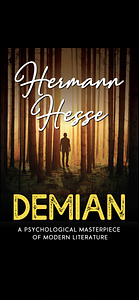
4.05 AVERAGE
4.05 AVERAGE

challenging
mysterious
reflective
slow-paced
Plot or Character Driven:
Character
Strong character development:
Yes
Loveable characters:
No
Diverse cast of characters:
No
Flaws of characters a main focus:
Yes
Re-reading this for the first time in 9 years was enlightening. I always wondered how my perspective of Sinclair would change as I got older and I have to say, it's about the same... I don't really care for him as a narrator, but his thought process and perspective is fascinating. I would say this novel could be broken down into 3 sections: the fall from grace, the aftermath, and then partial enlightenment. Personally speaking, I think this novel is more enjoyable if you are knowledgeable or at least familiar with Carl Jung's work and the historical context when this work was written/published.
Content Warnings
Graphic: Alcoholism, Bullying, Stalking, Alcohol
Moderate: Suicidal thoughts, War
La trama di Demian è riassunta nel sottotitolo: storia della giovinezza di Emil Sinclair. Il mio gradimento però varia a seconda del punto di vista con cui ripenso alla storia.
Se ci ripenso come a un romanzo di formazione, potrebbe essere uno dei miei libri preferiti di Hermann Hesse. I primi capitoli in particolare sono molto ben riusciti.
Il piccolo Emil racconta di aver rubato delle mele per apparire coraggioso agli occhi di un compagno di scuola, Kromer, ma quest'ultimo ne approfitta e lo ricatta minacciando di denunciarlo. Emil è diviso tra la paura di confessare tutto ai genitori e mettere a tacere Kromer, ed è solo con l'aiuto di Demian che riesce a liberarsene. Demian è quasi coetaneo, ma è molto più saggio, e con i suoi discorsi lo spinge a non accettare ciecamente quanto insegnato al catechismo.
Come romanzo di formazione la crescita di Emil è un'accettazione del fatto che il mondo buono e il mondo cattivo non sono opposti e inconciliabili, e questa idea è rappresentata nella figura del dio Abraxas, che unisce divino e diabolico.
Se ripenso ai dettagli, invece, non posso fare a meno di essere un po' alienato. Superati i primi capitoli, è chiaro che i personaggi che incontra Emil sono allegorici, ognuno con una funzione nel percorso di crescita del protagonista. L'alienazione nasce nel momento in cui le teorie di Demian passano da un modo di vedere la realtà con più attenzione, come per esempio supporre quello che qualcuno pensa osservando l'aspetto esteriore e facendo deduzioni, alle caratteristiche di una setta. Demian infatti si è avvicinato a Emil perché ha visto in lui il marchio di Caino. Quelli segnati possono utilizzare la mente per chiamare altre persone, come anche per prevedere il futuro.
Il passaggio dal vago alone di misticismo a una realtà in cui un culto dà dei poteri magici l'avrei evitato volentieri. Per me è inquietante, specialmente perché tutti i personaggi, pur muovendosi in un mondo reale, si assecondano in questa visione allucinata del mondo.
Di Demian potrei avere un ricordo vagamente positivo, ma solo se non lo guardo troppo da vicino.
Se ci ripenso come a un romanzo di formazione, potrebbe essere uno dei miei libri preferiti di Hermann Hesse. I primi capitoli in particolare sono molto ben riusciti.
Il piccolo Emil racconta di aver rubato delle mele per apparire coraggioso agli occhi di un compagno di scuola, Kromer, ma quest'ultimo ne approfitta e lo ricatta minacciando di denunciarlo. Emil è diviso tra la paura di confessare tutto ai genitori e mettere a tacere Kromer, ed è solo con l'aiuto di Demian che riesce a liberarsene. Demian è quasi coetaneo, ma è molto più saggio, e con i suoi discorsi lo spinge a non accettare ciecamente quanto insegnato al catechismo.
Come romanzo di formazione la crescita di Emil è un'accettazione del fatto che il mondo buono e il mondo cattivo non sono opposti e inconciliabili, e questa idea è rappresentata nella figura del dio Abraxas, che unisce divino e diabolico.
Se ripenso ai dettagli, invece, non posso fare a meno di essere un po' alienato. Superati i primi capitoli, è chiaro che i personaggi che incontra Emil sono allegorici, ognuno con una funzione nel percorso di crescita del protagonista. L'alienazione nasce nel momento in cui le teorie di Demian passano da un modo di vedere la realtà con più attenzione, come per esempio supporre quello che qualcuno pensa osservando l'aspetto esteriore e facendo deduzioni, alle caratteristiche di una setta. Demian infatti si è avvicinato a Emil perché ha visto in lui il marchio di Caino. Quelli segnati possono utilizzare la mente per chiamare altre persone, come anche per prevedere il futuro.
Il passaggio dal vago alone di misticismo a una realtà in cui un culto dà dei poteri magici l'avrei evitato volentieri. Per me è inquietante, specialmente perché tutti i personaggi, pur muovendosi in un mondo reale, si assecondano in questa visione allucinata del mondo.
Di Demian potrei avere un ricordo vagamente positivo, ma solo se non lo guardo troppo da vicino.
This was part of a Hesse kick for me in college. Not as memorable as either "Siddhartha" or "Steppenwolf" in my opinion.

This has been one of my biggest mashed potato books for years now (A mashed potato book is a book you keep meaning to read but keep putting off. You find yourself “saving it” for the “right time” and it just means you end up ignoring it! ~Books Unbound podcast). Thanks to my interests in BTS and literary analysis, any ARMY would know that reading this book is a no brainer.
For those unaware, BTS's Wings album and the corresponding music videos are heavily influenced by "Demian," down to including direct quotes from the book. It was easy to identify the thematic similarities before reading it, but now I can appreciate the fine details of just how much they overlap. The Wings era is all about coming of age and grappling with the good and bad in the world. This, much like "Demian," is explored through themes of temptation and plateaus with the concept of Abraxus, which is the godhead that unites both godly and devilish aspects. Mix that in with the Jungian psychological techniques and you're in for one heck of an existential era.
In all, this book was actually incredibly well written and includes a lot of heavy thinking material. And it's made me appreciate the genius of the Wings era all that much more :)
For those unaware, BTS's Wings album and the corresponding music videos are heavily influenced by "Demian," down to including direct quotes from the book. It was easy to identify the thematic similarities before reading it, but now I can appreciate the fine details of just how much they overlap. The Wings era is all about coming of age and grappling with the good and bad in the world. This, much like "Demian," is explored through themes of temptation and plateaus with the concept of Abraxus, which is the godhead that unites both godly and devilish aspects. Mix that in with the Jungian psychological techniques and you're in for one heck of an existential era.
In all, this book was actually incredibly well written and includes a lot of heavy thinking material. And it's made me appreciate the genius of the Wings era all that much more :)

I'm just not into over-philosophizing/ Spiritualizing/ Dramatizing/ Epic-ing life, and my dude Hesse is just a white guy with a spiritual crisis.

emotional
hopeful
inspiring
reflective
fast-paced
Plot or Character Driven:
Character
Strong character development:
Yes
Loveable characters:
Complicated
Diverse cast of characters:
No
Flaws of characters a main focus:
Yes

Can I be a "stan" after reading only one book by an author? This was like honey on my tongue.
“I have no right to call myself one who knows. I was one who seeks, and I still am, but I no longer seek in the stars or in books; I'm beginning to hear the teachings of my blood pulsing within me. My story isn't pleasant, it's not sweet and harmonious like the invented stories; it tastes of folly and bewilderment, of madness and dream, like the life of all people who no longer want to lie to themselves.”
― Hermann Hesse,
“I have no right to call myself one who knows. I was one who seeks, and I still am, but I no longer seek in the stars or in books; I'm beginning to hear the teachings of my blood pulsing within me. My story isn't pleasant, it's not sweet and harmonious like the invented stories; it tastes of folly and bewilderment, of madness and dream, like the life of all people who no longer want to lie to themselves.”
― Hermann Hesse,

inspiring
mysterious
reflective
medium-paced
Plot or Character Driven:
Character
sinclair was having a midlife crisis even from a young age