Take a photo of a barcode or cover
242 reviews by:
itsawrapxx


If I could find the ebook I would prefer to read that way. I am not enjoying the narrator for the audiobook.
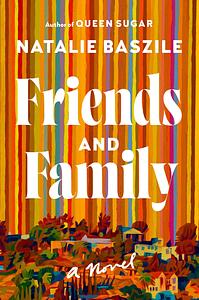
While the story directly engages with Black and White racial dynamics, what I found most fascinating was the quieter exploration of Blackness, class, and upward mobility.
What makes Friends and Family such a thought-provoking read is that the commentary on class and Black identity isn’t always loud or explicitly spelled out. A lot of it exists underneath the main plot, in the characters’ relationships, their environments, and the subtle ways they navigate belonging. Those were the parts I found myself thinking about the most after finishing the book.
What makes Friends and Family such a thought-provoking read is that the commentary on class and Black identity isn’t always loud or explicitly spelled out. A lot of it exists underneath the main plot, in the characters’ relationships, their environments, and the subtle ways they navigate belonging. Those were the parts I found myself thinking about the most after finishing the book.
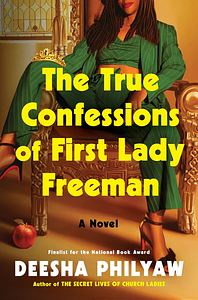
A funny, satirical, and scandalous exploration of faith, church structure, and womanhood. Set within the world of a mega-church, it takes a sharp look at the complicated ways faith, womanhood, power, and expectations can collide.
And honestly, the easiest way I can describe the vibe is Honk for Jesus meets The Real Housewives. 😂 It has the drama, the secrets, the larger-than-life personalities, and all of the messiness you could want, but underneath the scandal is a thoughtful examination of what it means to be a woman navigating faith within a highly structured religious environment.
The novel is sharp, entertaining, and full of characters and situations that kept me turning the pages. It manages to be both hilarious and thought-provoking, using church culture and all of its contradictions to explore bigger questions about identity, desire, faith, and womanhood.
And honestly, the easiest way I can describe the vibe is Honk for Jesus meets The Real Housewives. 😂 It has the drama, the secrets, the larger-than-life personalities, and all of the messiness you could want, but underneath the scandal is a thoughtful examination of what it means to be a woman navigating faith within a highly structured religious environment.
The novel is sharp, entertaining, and full of characters and situations that kept me turning the pages. It manages to be both hilarious and thought-provoking, using church culture and all of its contradictions to explore bigger questions about identity, desire, faith, and womanhood.
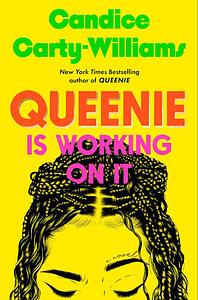
Queenie lives rent-free in my mind. Since Queenie and I are close in age, I had so much empathy and understanding for where she was emotionally when we first met her. This time around, though, I’m not sure I was as invested in the update.
Queenie spends a lot of time in her head, and her ruminating thoughts became repetitive and dragged in places. Professionally, she’s made significant progress, but her anxious attachment is on full display throughout the sequel—and I think it’s even more explicit than it was in the first book.
I also wish we’d gotten more of Frank. I really enjoyed his character in the Hulu series, so I was glad to see him make his way into the book, but I wanted more of him.
Overall, this wasn’t a bad read, but it didn’t quite top the first book for me.
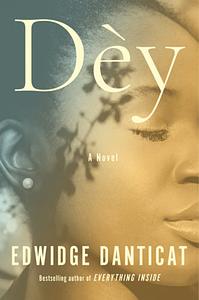
This is one you have to sit with. The story, and Magnolia’s character in particular, holds and processes big thoughts and feelings around violence, grief, loss, and love. All of these threads come together in a quiet, introspective journey about how home and community are shaped in the midst of the many forms of violence, grief, and loss we experience—and the love and connection that can exist alongside them.
1


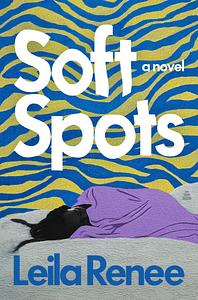
Soft Spots is a quiet, character-driven novel about the lasting impact of an abusive, patriarchal upbringing and the struggle to build meaningful relationships in its aftermath. Robin's long-shadow trauma casts over identity, intimacy, and the search for self-determination. Following Robin between South Bend, Indiana, and Aurora, Illinois, the novel explores isolation, depression, and loneliness with remarkable emotional honesty.
One line that perfectly encapsulates the title of the novel is:
"And as I crossed the darkened hall to return to my disaster, I reminded myself that a shell is formed to protect something soft. That those with the hardest exteriors tend to have the softest insides."
I can't say I absolutely loved Soft Spots. At times, I wanted more from the relationships and emotional payoffs. But there were moments of genuine tenderness and insight that I found deeply affecting. Those "soft spots" made the novel worthwhile, even if the whole never completely came together for me.
If you enjoy introspective, character-driven literary fiction that prioritizes emotional truth over plot, Soft Spots is worth picking up. It asks difficult questions about family, loneliness, and healing without pretending there are easy answers.
If you enjoy introspective, character-driven literary fiction that prioritizes emotional truth over plot, Soft Spots is worth picking up. It asks difficult questions about family, loneliness, and healing without pretending there are easy answers.
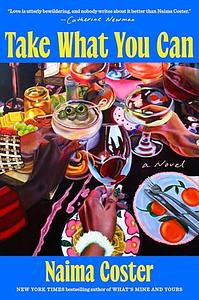
Naima Coster delivers a thoughtful, character-driven literary novel that explores the evolving nature of female friendship through the intersecting experiences of motherhood, grief, class, and family. Rather than asking whether friendships last forever, Coster examines what happens when the people who once knew us best begin growing in different directions.
I'm still processing this novel because it asks so many questions without offering easy answers. At its heart, it isn't simply about friendship—it's about how life transitions expose differences we may have ignored for years. Motherhood, financial stability, family expectations, and grief all become fault lines within Milly and Val's relationship, making their friendship feel deeply authentic and emotionally layered.
One aspect that didn't resonate with me quite as much was the novel's focus on France and Helene. I understood why those memories mattered—they're foundational to Milly and Val's relationship and help explain the intimacy they share. But I found myself much more invested in the present-day conflicts. Watching their friendship evolve as they navigated marriage, motherhood, and changing identities felt more emotionally compelling than revisiting the past.
I also have to talk about Nic because he was easily my least favorite character. He came across as pretentious, but what unsettled me most was the quiet, almost invisible way his patriarchal worldview showed up. His behavior isn't loud or overtly controlling, which makes it feel even more insidious. It's the kind of dynamic that's easy to overlook until you begin paying attention to the small ways someone influences another person's choices and sense of self.